
Development trends 2025
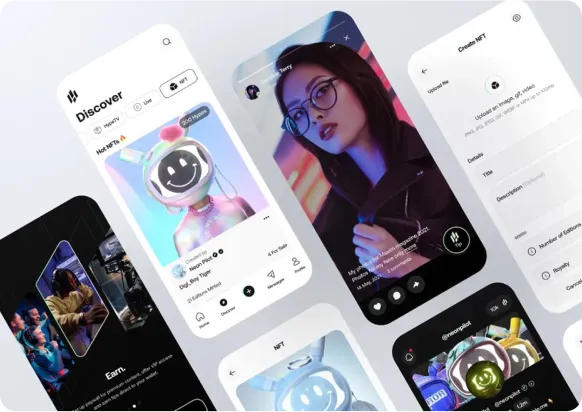
What are the key trends in mobile development in 2025?
In 2025, the mobile app industry will experience massive transformations driven by technological advances and changing user preferences.
Here are the main trends that will determine the future of mobile development in the near future:
Artificial Intelligence: Personalization and Automation
AI is rapidly changing mobile apps, enabling hyper-personalized interfaces and automation of complex processes. By analyzing user behavior data, AI will be able to offer content and solutions tailored to individual needs, thereby increasing engagement. By 2025, AI technologies will be involved in 85% of app interactions, demonstrating its key role in the industry.
The Rise of Super Apps
Multifunctional platforms that combine various services (from instant messengers to financial transactions) continue to gain popularity. They simplify interactions, reduce the need to install many separate applications, and contribute to the growth of user loyalty. According to forecasts, the global superapp market will grow to $722.4 billion by 2032, increasing annually by 28.9%.
Development of the Internet of Things (IoT)
Connecting mobile apps with IoT devices expands their functionality, giving users more control over their surroundings — from smart homes to medical gadgets. The global IoT market is expected to reach $1.6 trillion by 2025.
5G implementation
5G networks will dramatically improve mobile app performance with high data rates and low latency, opening up new opportunities for AR/VR, real-time data processing, and more productive and responsive solutions.
The popularity of wearable devices
Demand for wearable technology is growing, spurring the development of apps tailored to interact with smartwatches, fitness trackers, and medical gadgets. This trend opens up new perspectives in personalized experiences and real-time health monitoring.
Low-code and no-code development
Low-code and no-code platforms make the process of creating mobile apps more accessible. This allows for rapid prototyping, iteration, and cost savings, making development more flexible and efficient.
Strengthening cybersecurity measures
With increasing security threats and attention to data protection, companies are focusing on strengthening the protection of user information. Strict compliance with regulatory requirements and the implementation of modern cybersecurity methods are becoming a priority for developers.
Augmented and Virtual Reality (AR/VR)
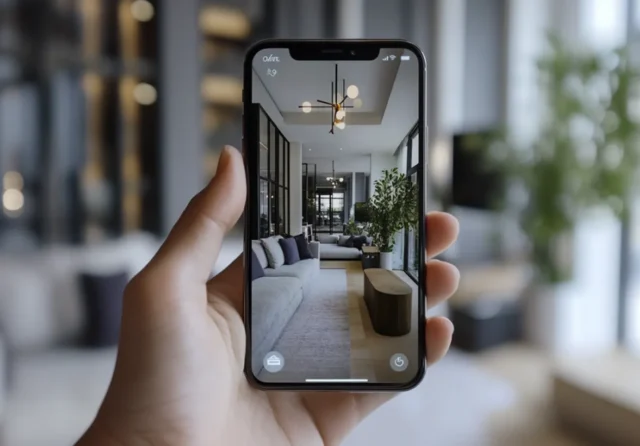
AR and VR technologies create new formats of user interaction, actively used in gaming, retail and education. Their integration into mobile applications opens up new horizons for businesses in terms of user engagement and creation of interactive content.
Chatbots and voice assistants
Automation of customer interactions is becoming the standard. Chatbots in mobile applications allow instant responses to user requests, improving customer service and providing access to 24/7 support.
Improving UX/UI
Attractive design and user-friendly interface remain key factors for the success of mobile applications. Intuitive navigation, responsive design and high attention to visual aesthetics play a decisive role in attracting and retaining users.

By following these trends, developers will be able to create innovative, convenient and in-demand mobile solutions that meet user expectations in 2025 and beyond.